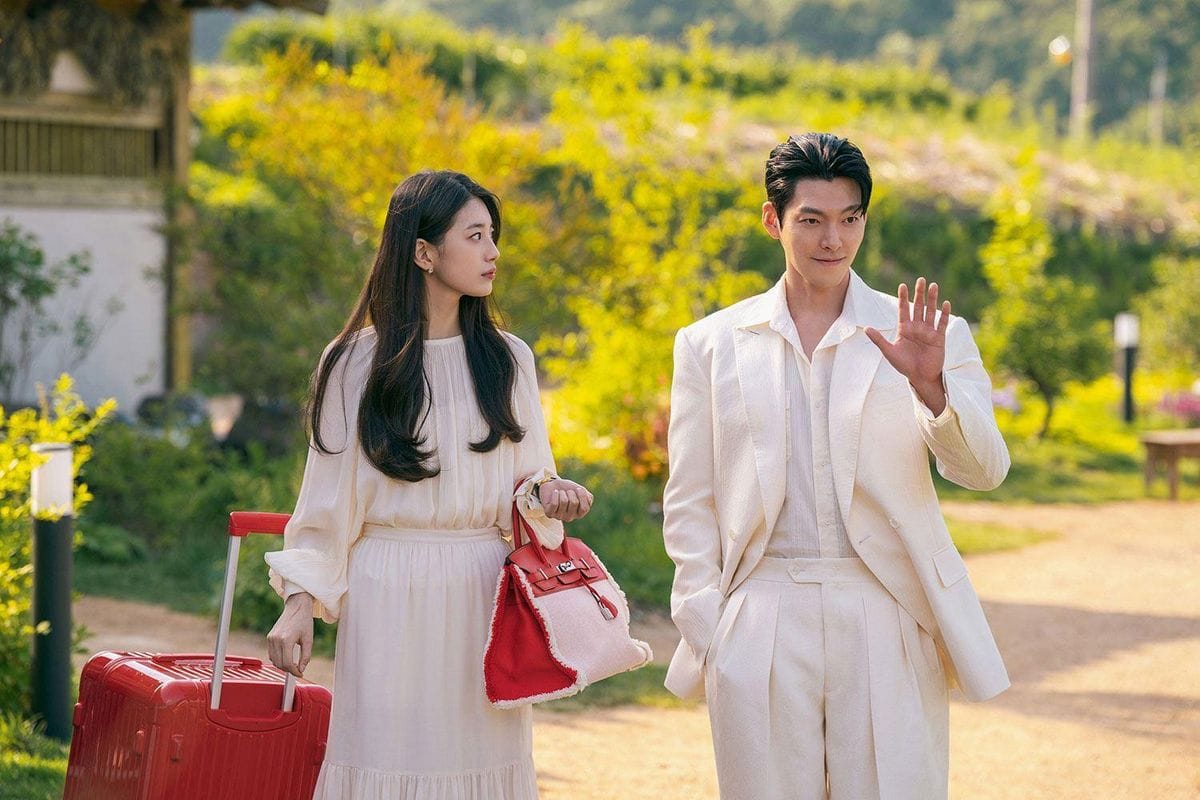
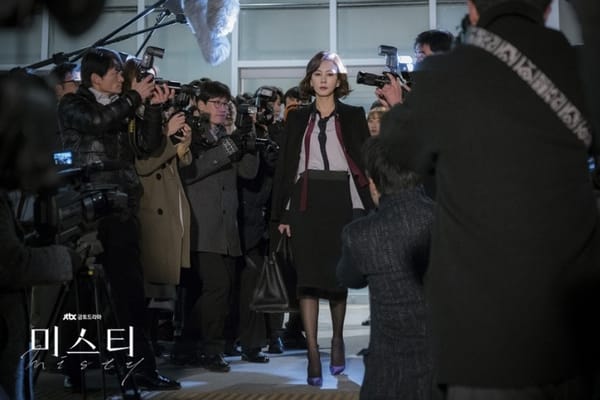
Netflix Good News Review: A Black Comedy That’s Even Funnier Because It’s True
A film so absurd it feels real — and so real it’s absurd. Good News turns history into black comedy at its finest.

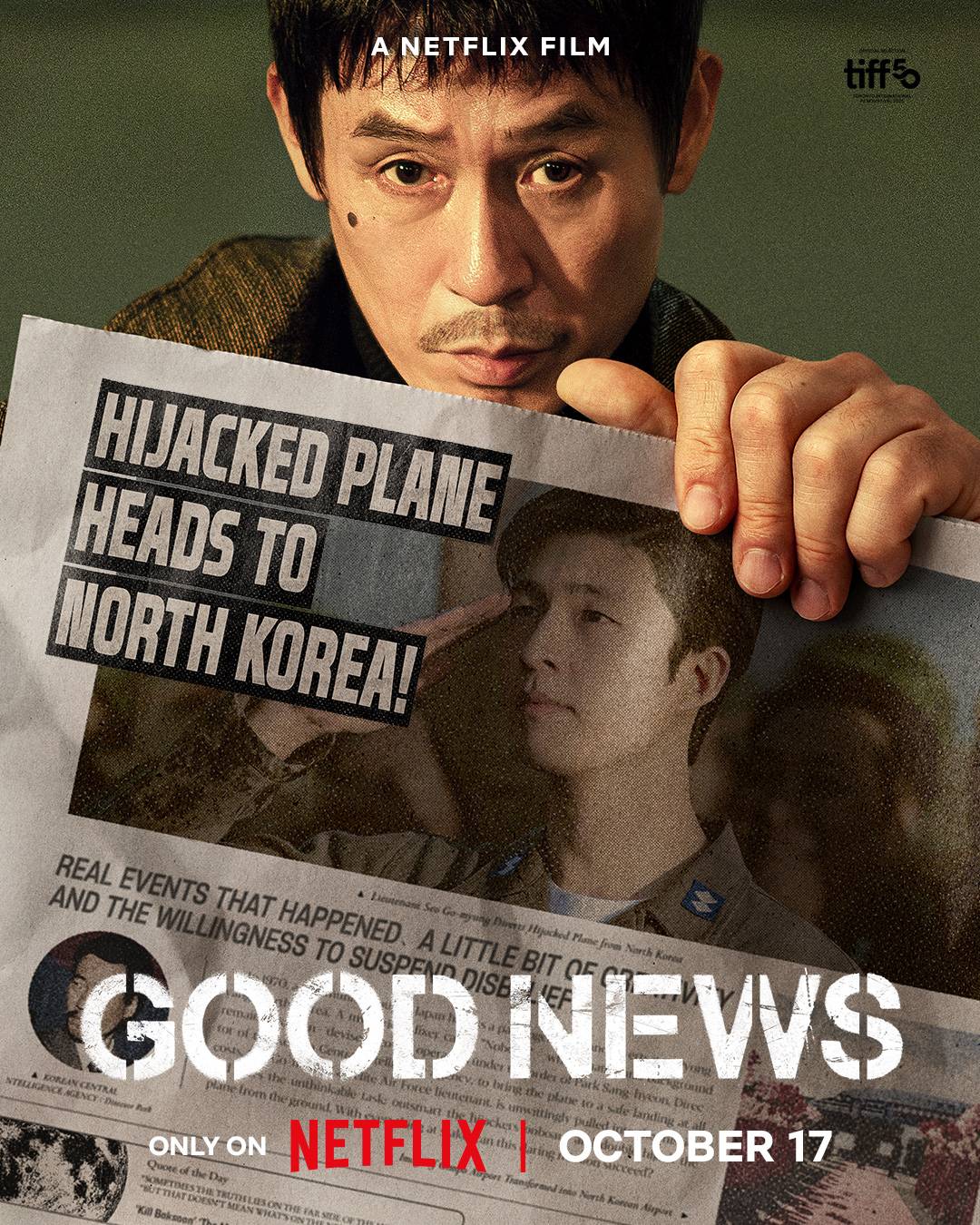
My all-time favorite actor is Sul Kyung-gu.
And if you ask me who my favorite director is — the answer is obvious: Byun Sung-hyun.
Ever since The Merciless (2017), which pulled me head-first into the glorious world of Sul Kyung-gu fandom, it’s already been nine years. During that time, these two have worked together on four films:
The Merciless (2017)
Kingmaker (2022)
Kill Boksoon (2023, Netflix)
Good News (2025, Netflix)
Even in 2025, whenever I say I’m a Sul Kyung-gu fan, Korean middle-aged men always say the same thing:
Ah, Kang Chul-joong from Public Enemy (2002)? Damn, that guy can act!
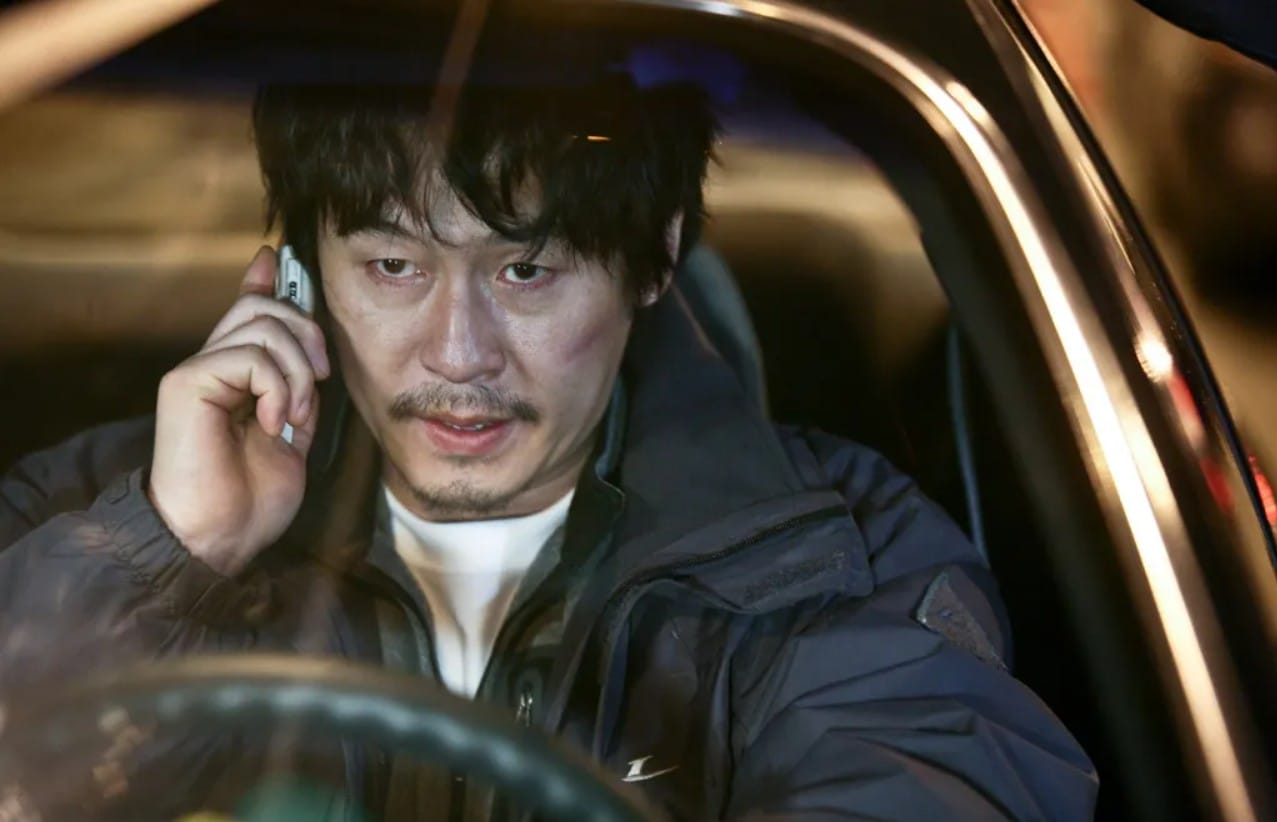
Every time I want to say,
No, no. I mean The Merciless Sul Kyung-gu. Go watch The Merciless.
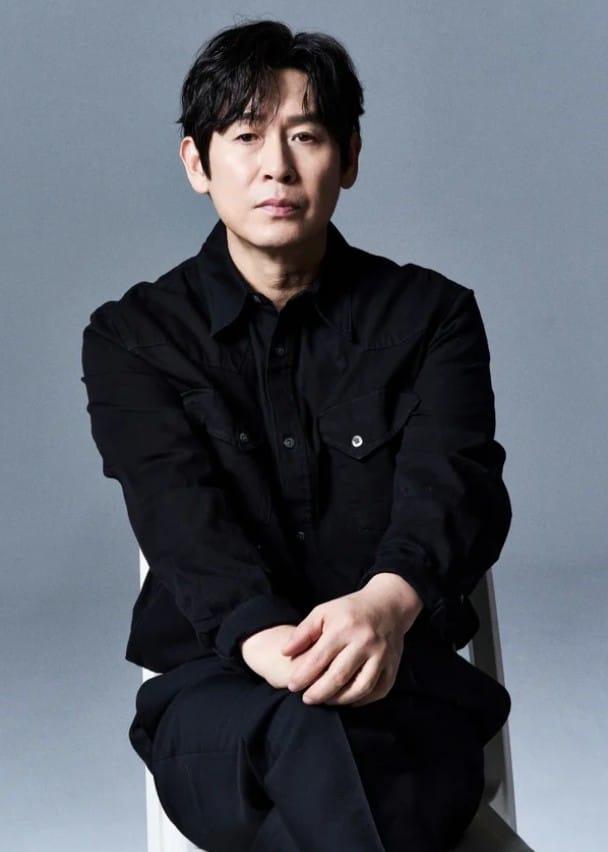
But then I stop myself—Kang Chul-joong just seems to mean something special to Korean men. So I just smile.
Not Peppermint Candy, not Oasis—it’s always Kang Chul-joong.
 Contributors to Wikimedia projects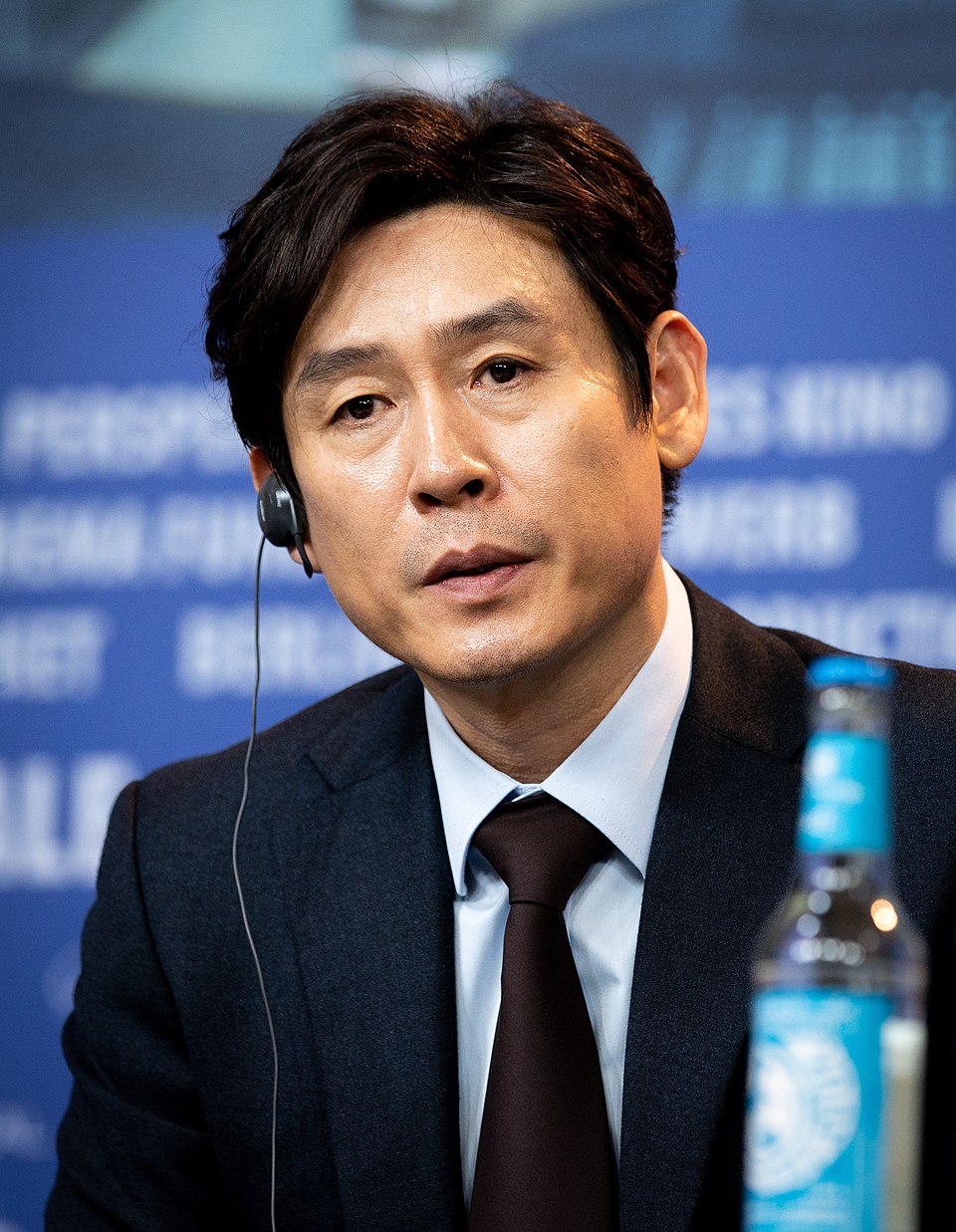
After The Merciless, where director Byun Sung-hyun transformed an ordinary middle-aged man into a sleek noir icon, Sul Kyung-gu began walking the path of the “handsome ajusshi” (a Korean term for a middle-aged man).
Sure, there were a few “wait… who is this?” moments in his later filmography,
but every time he showed up at a stage greeting or interview looking all sharp and put-together, my shocked little fangirl heart was soothed again.
Anyway, when I heard that Papa Byun — the man who gave us today’s Mr. Sul and his legion of fangirls — was coming back with a new film, I’d been waiting with my neck stretched like a giraffe.
But then the Netflix stills and behind-the-scenes photos started dropping and…
Papa Byun, what’s going on?
Why does our man look like this?
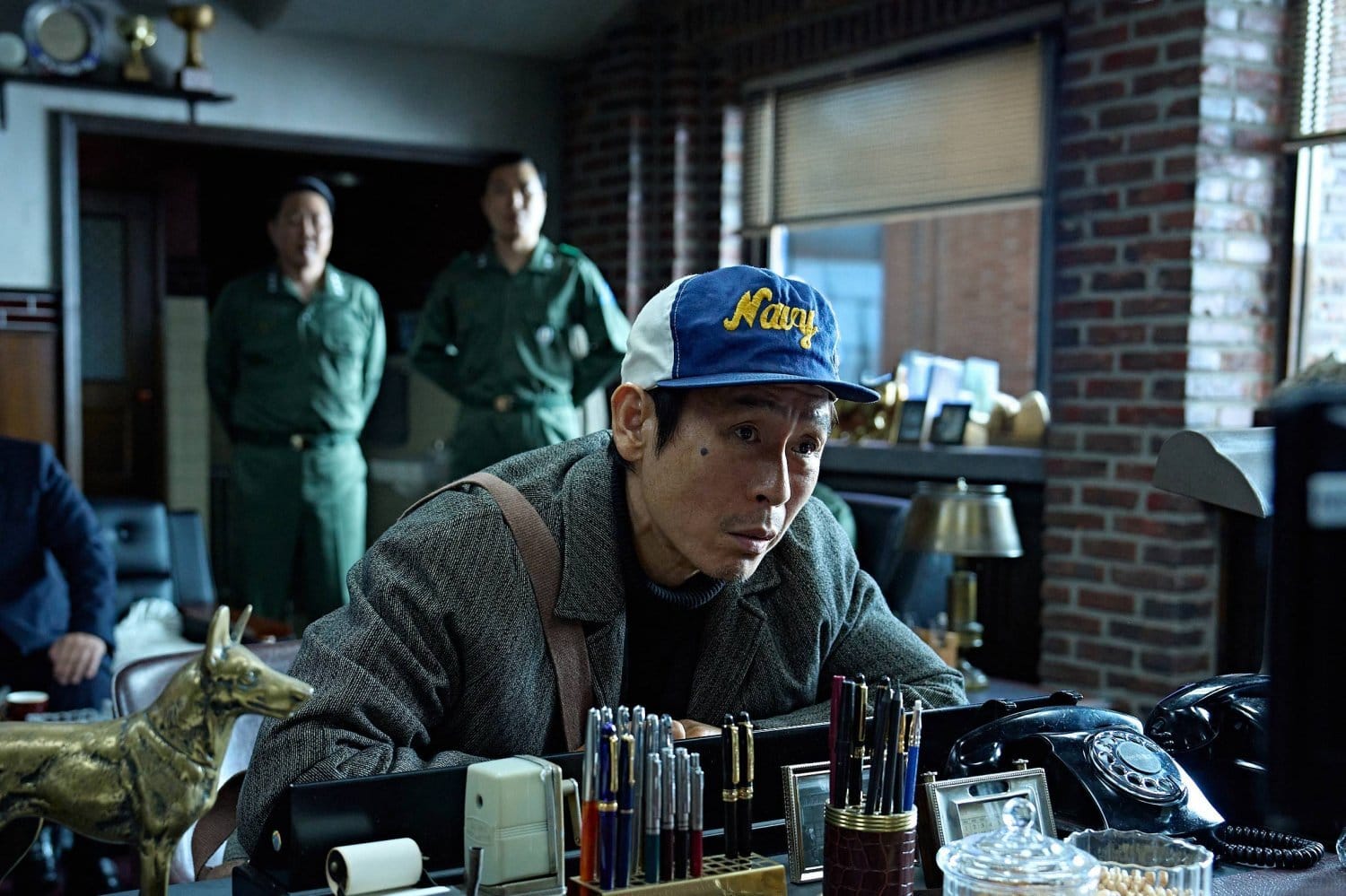
But then I saw the trailer and thought, Wait—this actually looks fun! Oh, I can feel it coming!
And when it finally dropped—boom. I was right. It’s amazing.
Every single scene had me going, holy hell, this is so good.
It’s insane. It’s hilarious. It’s so good I didn’t even want time to move.
Sure, there were a few moments where I went, Okay, that’s a bit much…
but who cares? This gloriously unhinged black comedy hit me right in my taste buds.
I think I’ve watched Good News about five times since it dropped.
At this point, I might just leave it running in the background for a while.
It’s perfect BGM material since there’s no gore or brutality.
Couldn’t do that with Kill Boksoon though… that one was way too scary.
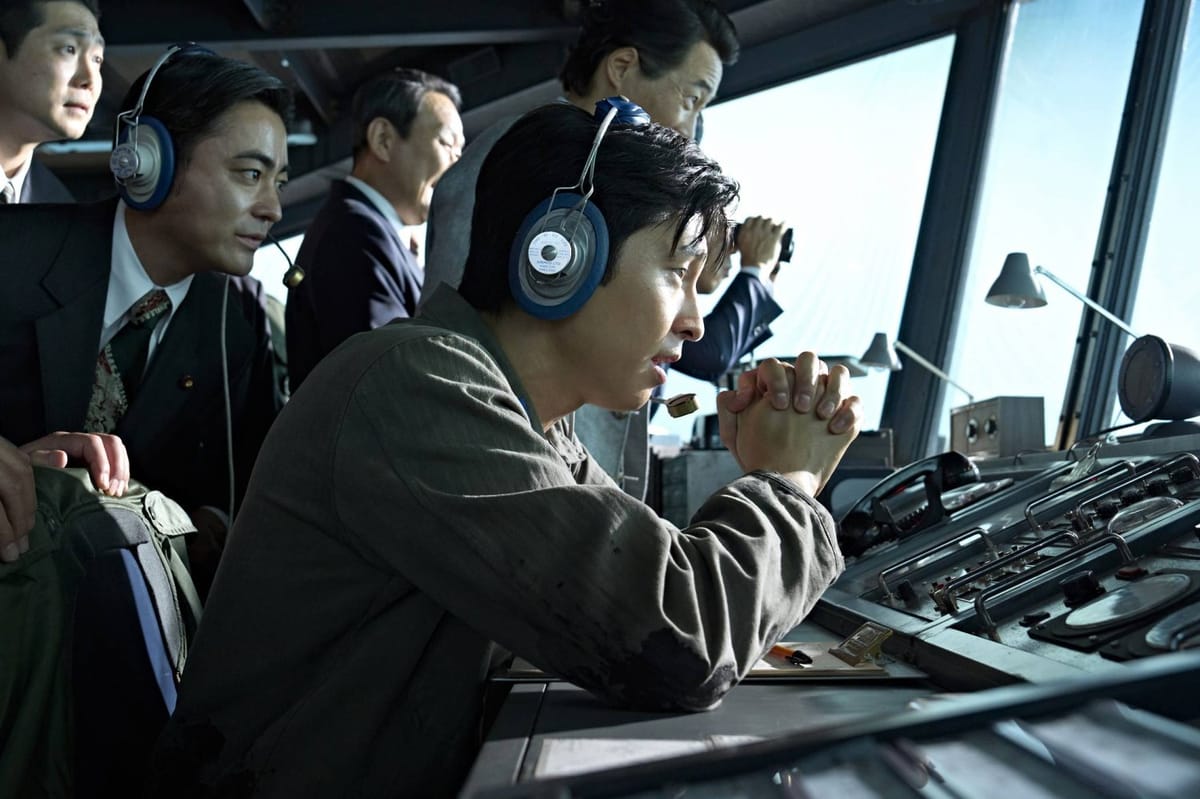
Early in the film, Kim Sung-oh appears in the cockpit speaking Japanese — and he’s so good it actually startled me.
Honestly, every time I watch a Korean actor pull off flawless Japanese, I feel a weird mix of admiration and mild shame — as someone who literally makes a living with the language.
And yet again, Good News delivers a feast of ridiculously good Japanese performances.
I was genuinely shocked — like, why is he that good? What’s going on here?
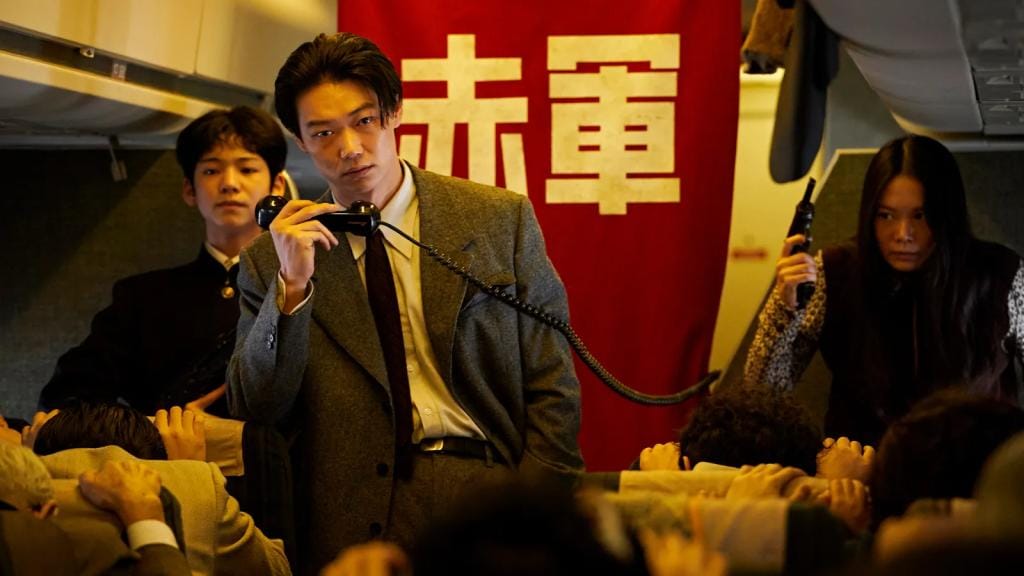
Then comes the scene right after the hijacking — Show Kasamatsu, the leader, takes the mic(?) and introduces himself to the passengers.
I swear, my heart skipped a beat.
He’s a bad guy, but damn… he’s gorgeous.
Right after that, there’s this clever cross-cut between the hijacking scene and a live TV broadcast featuring Takayuki Yamada, who plays the Japan Deputy Minister of Transportation. It was such a smart bit of editing.
I hadn’t seen Yamada since Journey Under the Midnight Sun —
and wow, has it really been twenty years?
He’s turned into a soft-looking middle-aged man, which honestly surprised me.
But his acting? Still phenomenal.
Every funny scene landed perfectly, and he nailed that frantic, desperate energy of a man with no way out.
There’s a scene where the Japanese pilot, whose plane has been hijacked, turns to his Korean co-pilot — the Japanese-born Korean — and asks,
You’ve been to North Korea before, haven’t you?
It perfectly captured that kind of “no malice, just zero awareness” attitude I sometimes encountered when I studied in Japan —
the kind that drives you nuts because it’s too real.
Typical examples of those questions include:
Do you guys have convenience stores in Korea?
Do you have Coke in Korea?
Anything that starts with ‘Do you have that in Korea?’
only ever makes you want to answer, ‘What do you think?’
Anyway, the captain says they’re running low on fuel and decides to land at a Japanese airport.
And then—that scene happens. Double parking. DOUBLE PARKING. I mean, come on 😂
But apparently… that really happened. For real.
Inside the plane, everyone’s screaming their lungs out, but outside it’s dead silent. The way those two scenes were cross-cut was hilarious.
And the part where the airline chairman starts bickering with the Self-Defense Force guys? Comedy gold.
Their company motto is “Safe as home in the sky,” and one of them goes, People die at home too. I screamed.
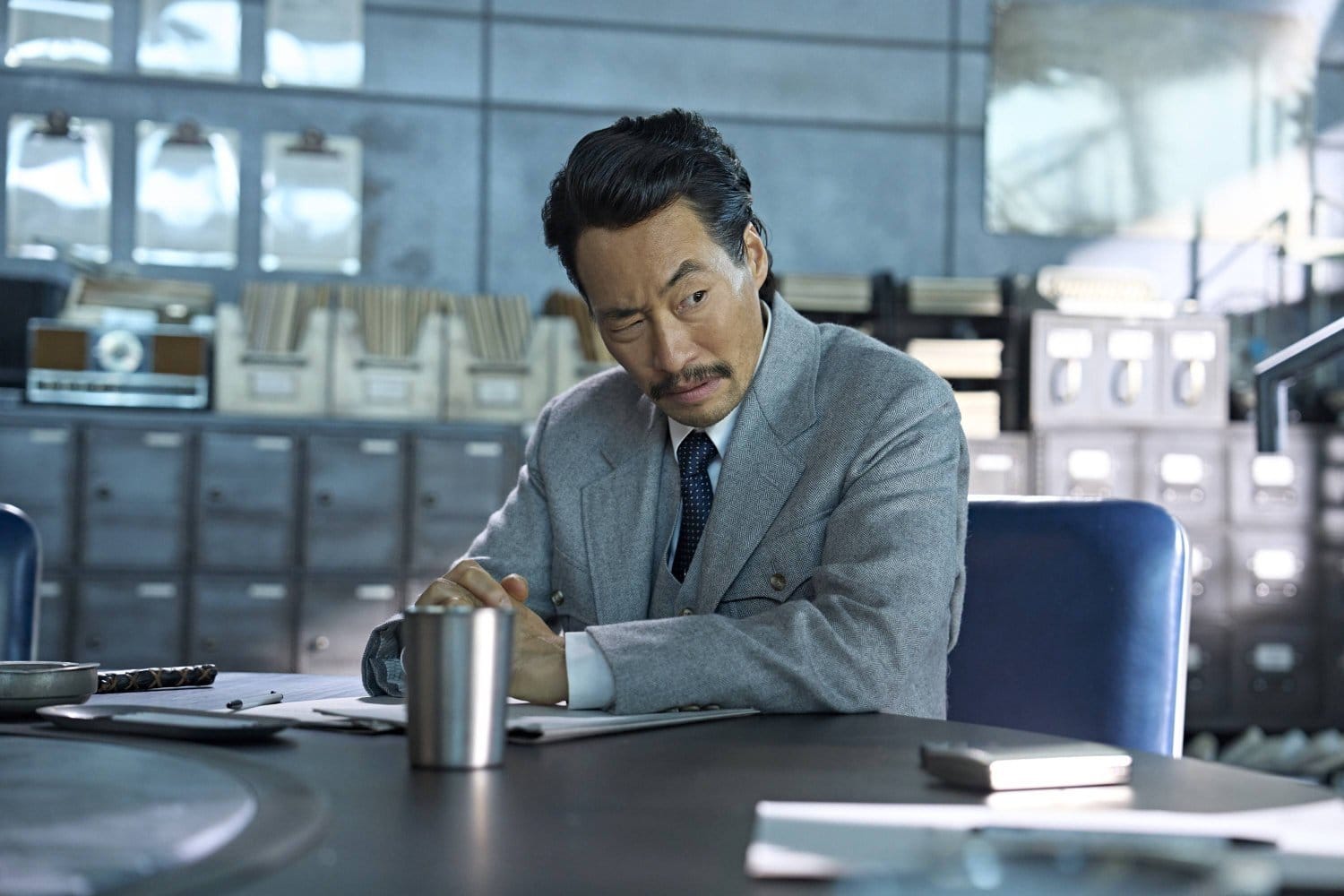
Ryoo Seung-bum’s first appearance as the head of the Korean Central Intelligence Agency was unlike any intelligence chief I’ve ever seen in a Korean film—distinctive, even funny.
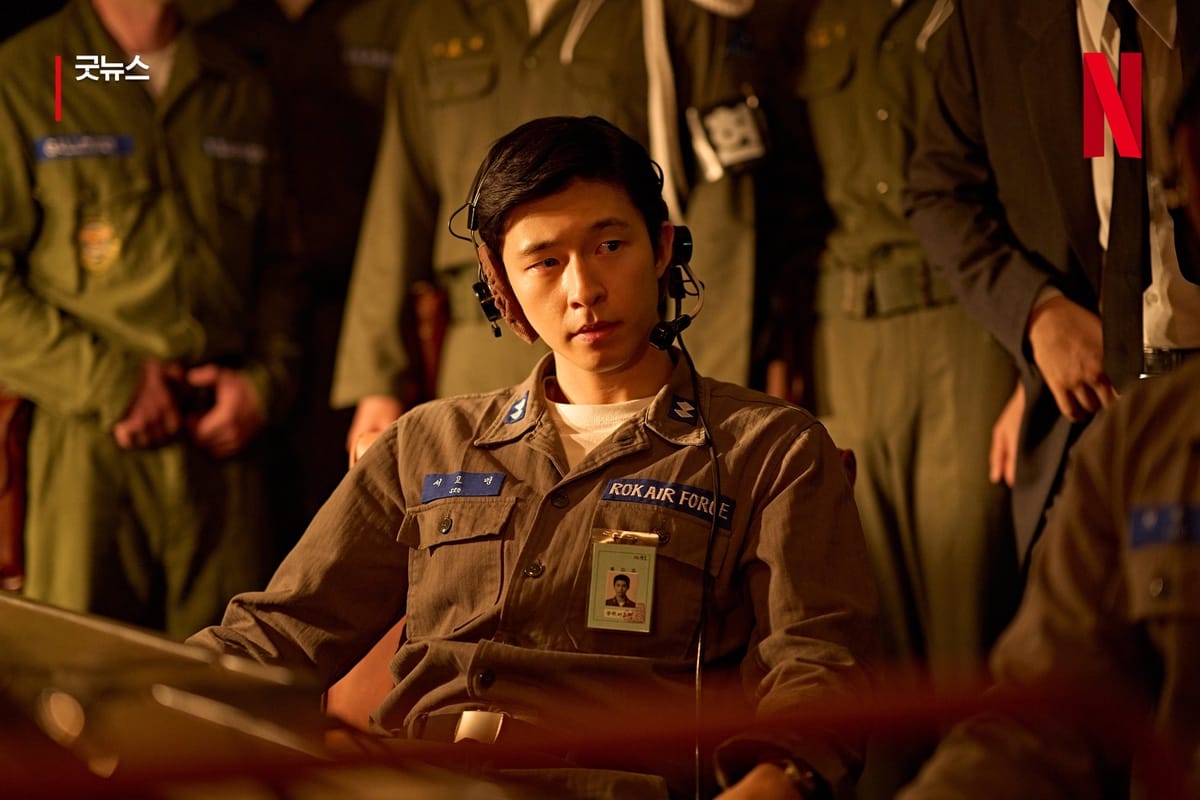
When Seo Go-myung (Hong Kyung) gets a call from KCIA Deputy Director Park (Ryoo Seung-bum), he imagines the horrible things that might happen if he disobeys the order — and those imagined scenes are darkly hilarious.
It’s the kind of humor that makes you wonder, Am I even allowed to laugh at this? since it’s rooted in the tragedy of Korea’s dictatorship era. But it’s funny on such a primal level that you can’t help it.
For reference, the KCIA was dissolved in 1981.And then Mr. Nobody picks up the phone and keeps going, “Ah, ne, ne, ne” (in Korean), while the U.S. interpreter next to him echoes, Oh, yes, yes, yes… yes, yes, yes… It’s such a brief moment, but it cracked me up for no reason.
Meanwhile, the hijacker leader announces to the passengers that they’ll soon land in Pyongyang — all while this serene classical music plays in the background. The irony of it was killing me.
After the tension inside the Japanese plane eases — once it’s clear the South Korean fighter jets aren’t going to shoot them down — the captain, co-pilot, and the hijacker leader share a breath and suddenly start laughing.
There was something quietly heartbreaking about that moment.
That moment hit me — these young hijackers, who had braced themselves for death, laughing simply because they were still alive. Their fear of dying and desperate attachment to life were palpable, and the quiet human bond that had formed between them and the pilots felt strangely bittersweet.
But throughout the film, Sul Kyung-gu’s character, Mr. Nobody, occasionally breaks the fourth wall to talk directly to the audience — and honestly, that kind of thing was not exactly my style. It kept pulling me out of the story. Like, sir, please don’t talk to me right now. You’re breaking my immersion.
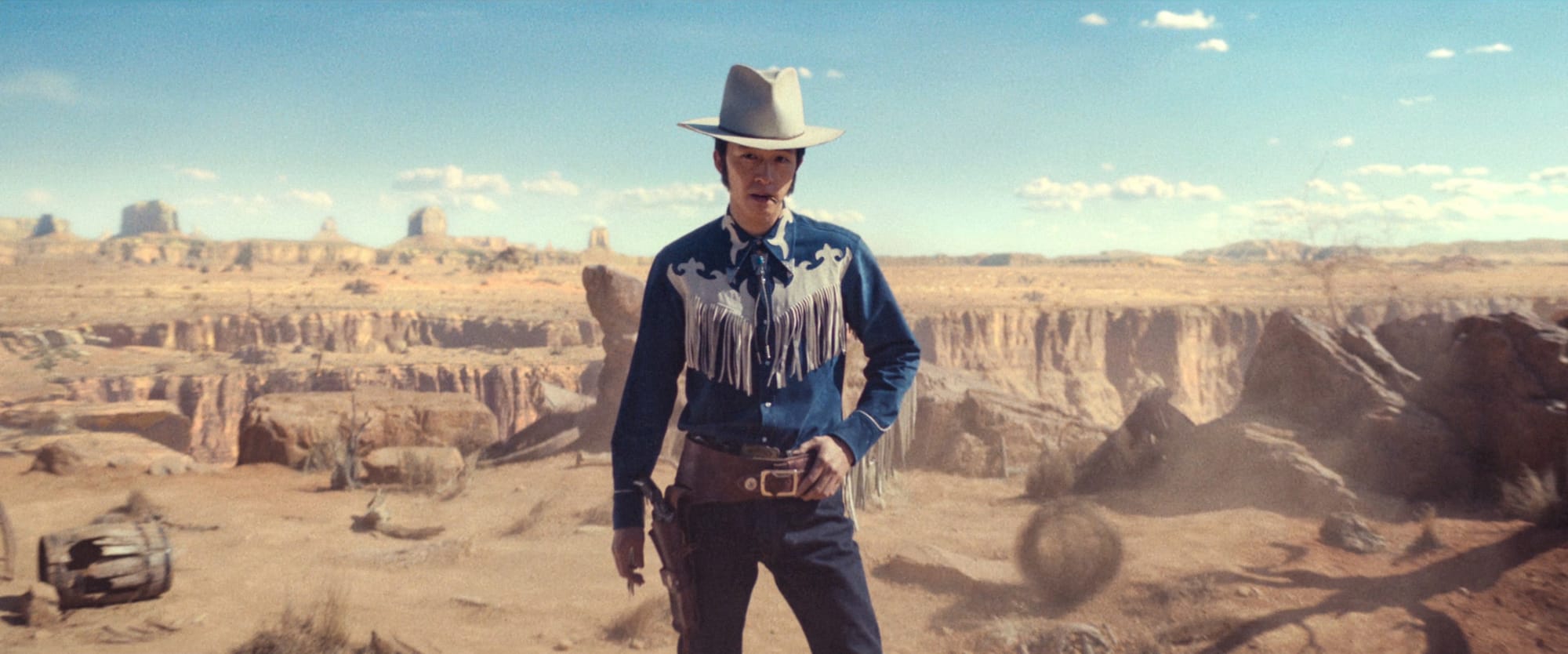
The western-style showdown scene was funny, but not really my favorite kind of thing.
Still, I loved how the winner blows on the gun barrel — hoooh — and that seamlessly transitions into the real control tower. That cut was brilliant.
And when Seo Go-myung manages to snatch the frequency first and pretend he’s Pyongyang Control, he says with a laid-back tone, Japanese Ride 351. Radar contact.
He’s supposed to be a top-class air traffic controller, but in that moment, he’s just a kid — proud and playful.
Finally, the plane prepares to land at Gimpo Airport — and chaos erupts as everyone scrambles to make it look like Pyongyang. Nobody walks out too, now dressed in a North Korean military uniform, ready to join the act.
Through the crowd of Gimpo staff pretending to be North Koreans — women in red Hanbok(traditional Korean dresses) waving flower sticks and cheering like it’s a festival — the plane finally lands. The whole scene is so absurdly funny, yet knowing it actually happened back then somehow makes it twice as incredible.
Making them land at Gimpo thinking it was Pyongyang — that’s pure historical legend.
They finally manage to land the plane, but one of the hijackers, still suspicious, keeps shouting, This is Pyongyang?! Yes or no?!! again and again — and the fake North Korean soldier finally answers, “...No.”
And that’s the moment everything falls apart.
Apparently, that part was real too. In reality, the hijacker shouted, Here, Seoul?! and the guy said, “Yes” Like… what was that? That terrifying level of honesty.
Meanwhile, government officials from Japan rush to Gimpo.
And when the KCIA director — who had just been shouting, Remember history! The Imjin War! The Japanese occupation! Those bastards invaded us!! — suddenly comes face-to-face with the Japanese delegates, he immediately switches tones:
Oh, you must’ve gone through such a hard time getting here.
What do you mean they had a hard time invading, sir?! I lost it.
Meanwhile, Lieutenant Seo Go-myung — who just got his shins kicked and cursed out by the KCIA director — still turns around and gives the man all the credit in front of the Japanese officials.
Ah… the pain of hierarchy. The agony of serving your boss.
Poor Seo keeps slipping over and over on the freshly painted, slippery floor of Gimpo Airport… and honestly, I have no idea why those repeated shots were even there.
And then there’s the part where, right after talking about Tomorrow's Joe, Asuka (the female hijacker) suddenly stabs Denji, their leader — I still don’t get why. Even after watching it more than five times. Hahaha.
Was it to make Seo Go-myung believe their threat to blow up the plane was real, to set a time limit or something?
The standoff between the hijackers stuck inside the plane at Gimpo and the authorities outside just keeps dragging on.
When the Japanese deputy minister, burning with frustration, snaps at Director Park (Ryoo Seung-bum), demanding he do something, Park finally responds.
We’re praying right now, Park says.
And that’s the moment the deputy minister’s patience snaps.
Praying? PRAYING?!
He storms out of the room, shouting, Stupid idiots!!!
He steps into a space where he can finally be alone, looks up at the sky — and the sun.
With nothing left to hold on to, he clasps his hands together, bows his head, and begins murmuring a fast, desperate prayer.
You can’t quite make out the words, and there are no subtitles — but the raw urgency in his voice comes through loud and clear.
Yeah. That’s Yamada Takayuki.
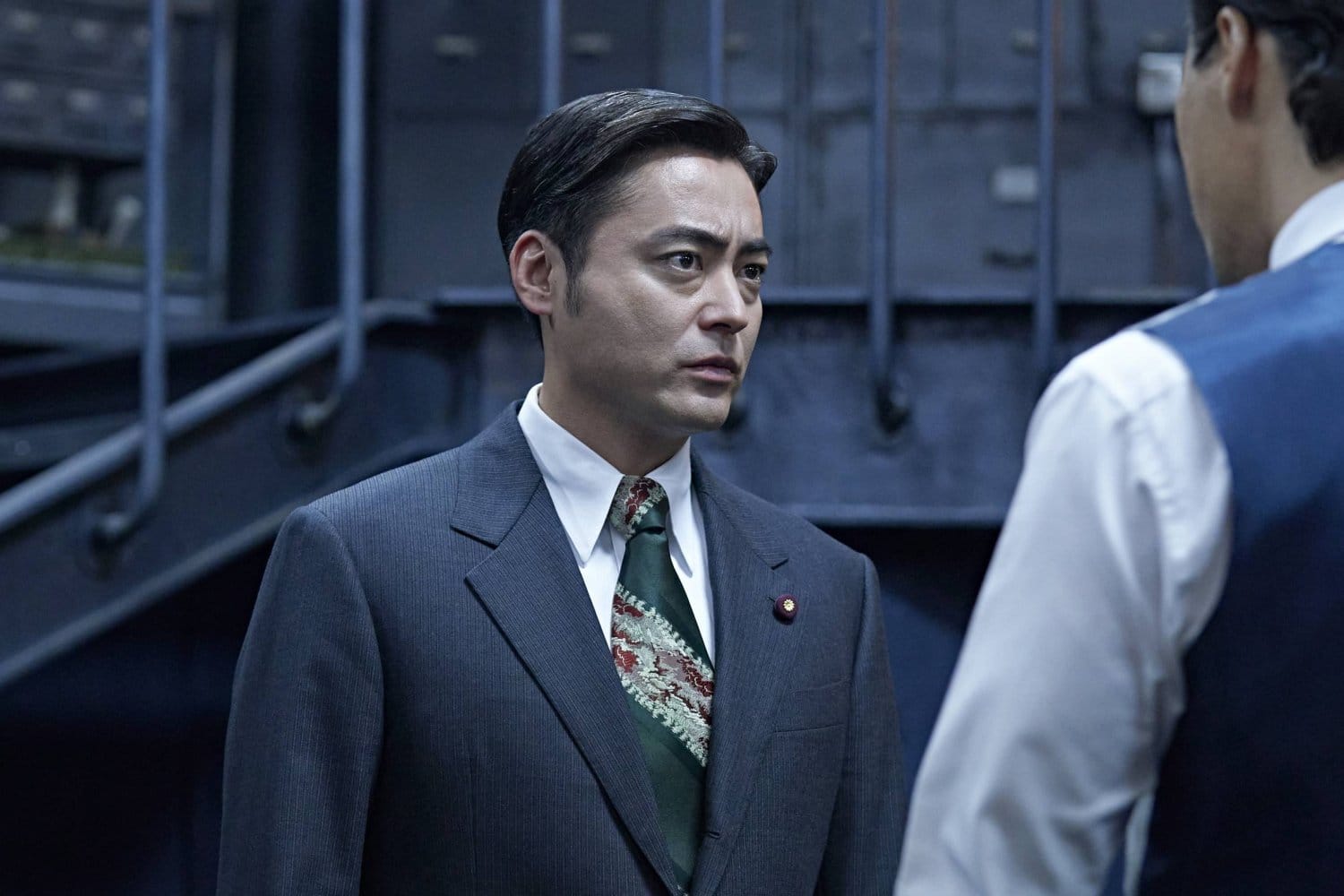
After yelling Stupid idiots!!! at Park for praying and storming out, the deputy minister ends up doing the exact same thing himself — caught mid-prayer by Nobody.
Flustered and embarrassed, he lashes out in anger, but his fury soon crumbles.
He lowers his head and murmurs, I'm so mad, as tears start to fall — a helplessness so deep it can’t be measured.
While everyone else is busy figuring out who’s to blame, the clock keeps ticking toward the plane’s scheduled explosion. Only two men choose to act instead of passing blame.
Seo Go-myung runs desperately toward the hijacked plane to persuade the terrorists and save the passengers.
Meanwhile, the Japanese deputy minister offers himself as a hostage in their place.
In the end, the “unequal” communist hijackers traded over a hundred passengers for a single deputy minister, released the hostages, and the Korean news proudly reported that they were freed “thanks to our government’s tireless efforts.”
Whose efforts, exactly?
Wasn’t it the government that spent all that time just looking for someone to sacrifice — Seo Go-myung?
I’d only seen the trailer, so I thought the plane landed at Gimpo and that everyone got off there, hijackers included.
I had no idea they actually went to North Korea—so when the movie headed that way in the second half, I was like, Wait… what? They’re actually going?
But as the mood of reconciliation grew between the United States and the Soviet Union, South Korea could no longer take a confrontational stance against the North.
Seo Go-myung’s role in guiding the Japanese plane to land at Gimpo, outmaneuvering North Korean air controllers, became a secret that could never be spoken of — silenced and buried.
Seo’s father had fought in the Korean War and lost both legs, yet he proudly cherished the wristwatch the president had given him—not even directly, but through others.
And now, despite all his efforts, Seo Go-myung too is left like an unseen truth on the dark side of the moon, holding a presidential watch — not from the president, but passed through Nobody’s hands.
Seo Go-myung opens the watch box and lets out a hollow laugh, tears welling up in his eyes.
Meanwhile, the deputy minister, the pilot, and the co-pilot who returned to Japan are celebrated as national heroes.
South Korea may have hidden the truth on the dark side of the moon, but still, Seo Go-myung quietly comforts himself, murmuring “The moon is still the moon,” quoting the Truman Shady line that Nobody had repeated so many times — a line that, ironically, never even existed, yet might have brought him a little peace.
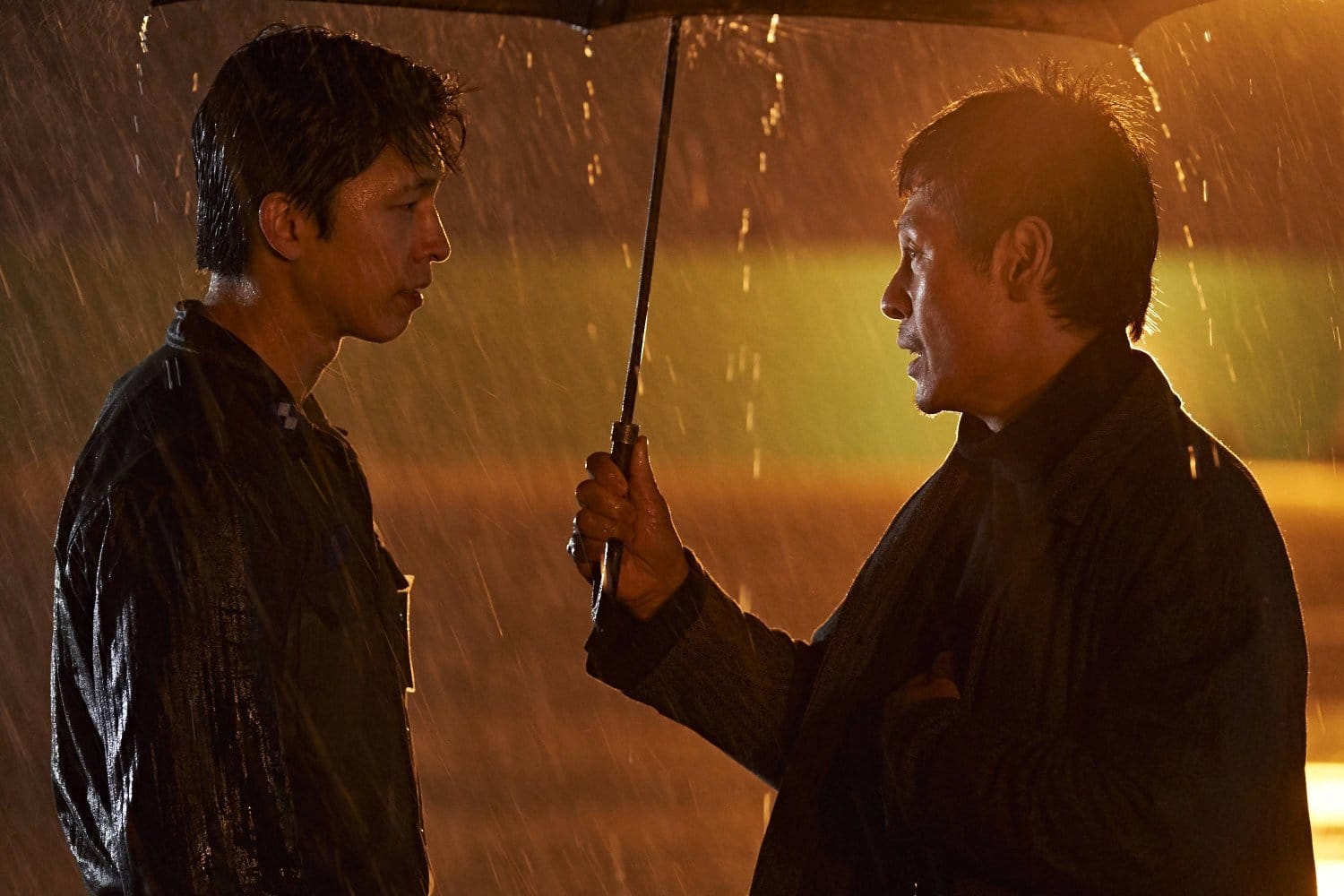
Seo Go-myung, who had once hoped to live up to his name — to rise high and make a name for himself — ended up hidden on the dark side of the moon, a Nobody known to no one.
But Nobody, who had lived without even being registered as a citizen while quietly taking care of Director Park’s dirty work, finally got his own South Korean ID card — ironically, under the name “Go-myung.”
Seo Go-myung never left his name in the pages of history or in the hearts of the people, but he did leave it behind in someone’s life — forever.
Whether that’s something to be glad about, I’m not so sure.
Good News is a black comedy, a period piece, and a film about how a person’s name can be erased from history. It makes you laugh — and then, suddenly, it stings.
And when the credits rolled, one thought lingered in my head:
“These people are absolutely insane. And they’re brilliant.”
 Ara C.
 Ara C.